
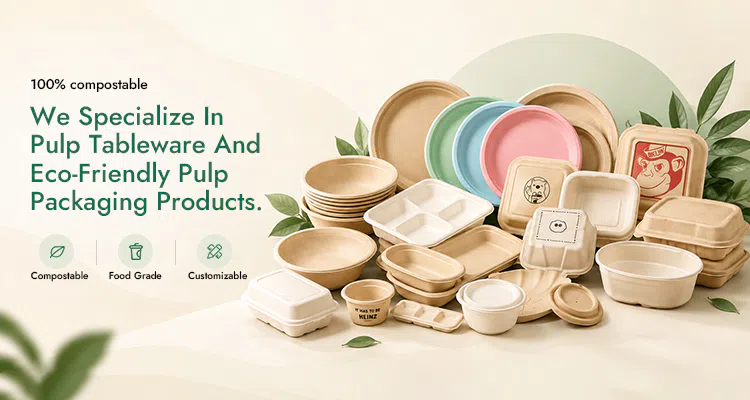
The EU Packaging and Packaging Waste Regulation (PPWR) has fully taken effect, bringing profound changes to the disposable food packaging market across Europe. The new rules set strict limits on PFAS substances in food-contact packaging, pushing importers, catering chains and distributors to switch to fully compostablemolded pulp tableware rapidly.
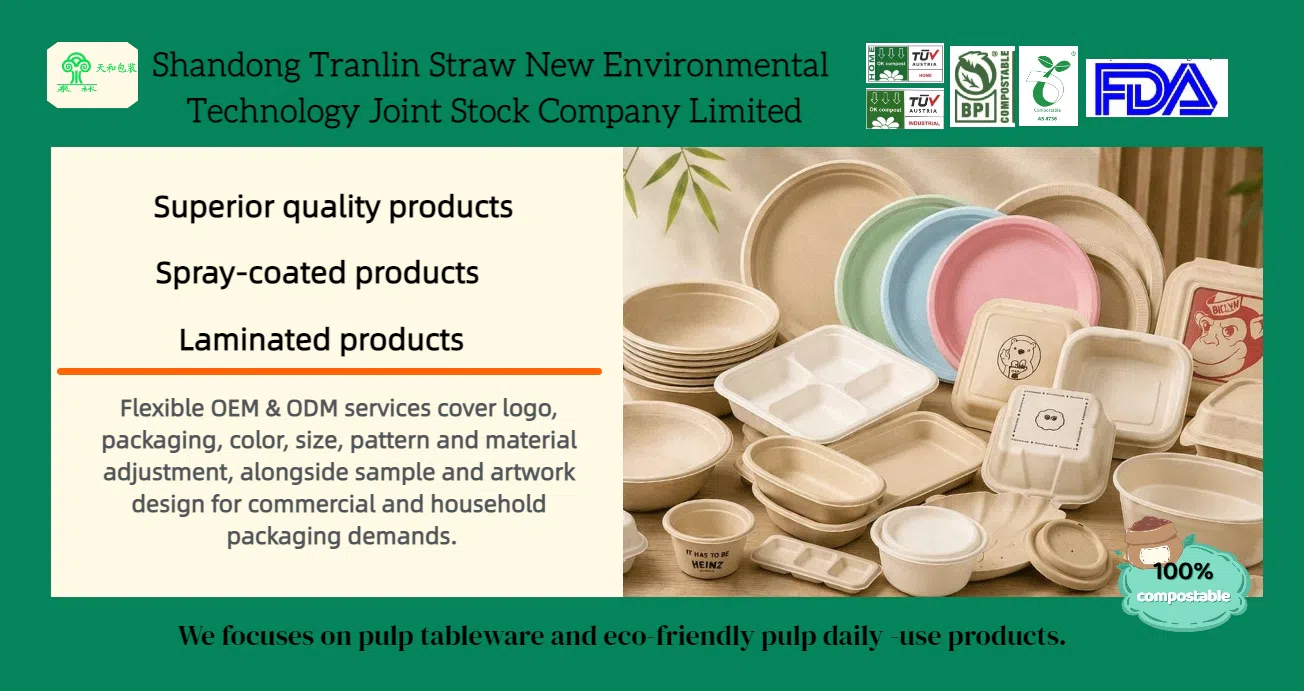
Europe has become the largest consumption market for bagasse disposable tableware. As plastic taxes and plastic restriction policies continue to roll out, plastic disposable tableware is gradually phased out. Sugarcane bagasse tableware, made from agricultural by-products, has become the preferred alternative for European buyers. Products need to pass EN13432 and OK Compost certifications to meet local industrial composting requirements.
In the past, traditional pulp products relied on PFAS coating to achieve oil-proof and waterproof performance. With the new regulation, high-barrier PFAS-free pulp molding technology has become the core competitiveness of manufacturers. Advanced high-barrier formulas ensure that pulp plates and food containers can resist oil and water without harmful additives, fully complying with EU chemical standards.
Industry analysts predict that the European bagasse tableware market will maintain double-digit growth in the next few years. Foodservice, takeaway, hotel banquets and retail pre-made food sectors are the main growth drivers. European buyers pay more attention to full compliance documents, stable product quality and consistent supply capacity, instead of only focusing on low prices.
For Chinese export manufacturers, this is both opportunity and challenge. Factories need to upgrade production lines, optimize raw material formulas and complete relevant certification in advance. Enterprises that can provide PFAS-free, certified pulp tableware and complete test reports will seize more market share in Europe. As global low-carbon concepts spread, sustainable molded pulp packaging will continue to expand its market space worldwide.


