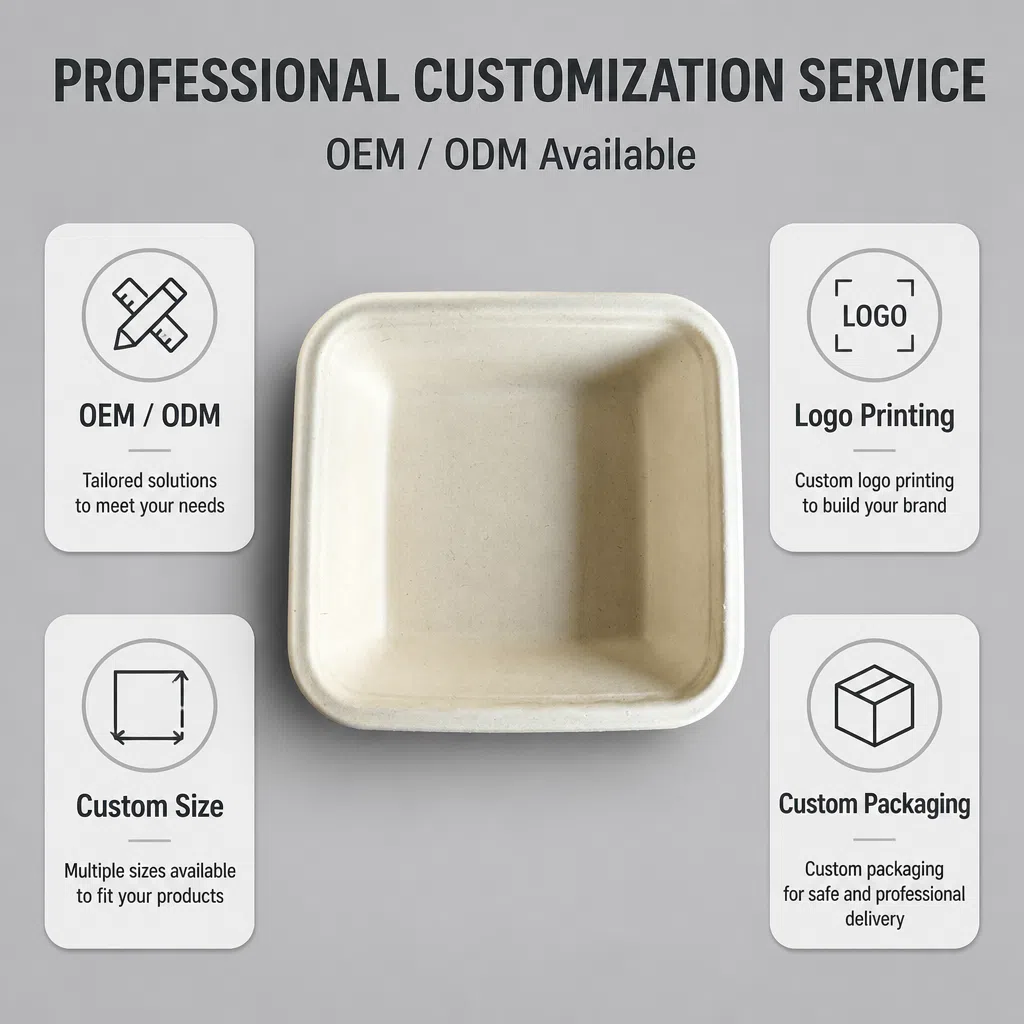
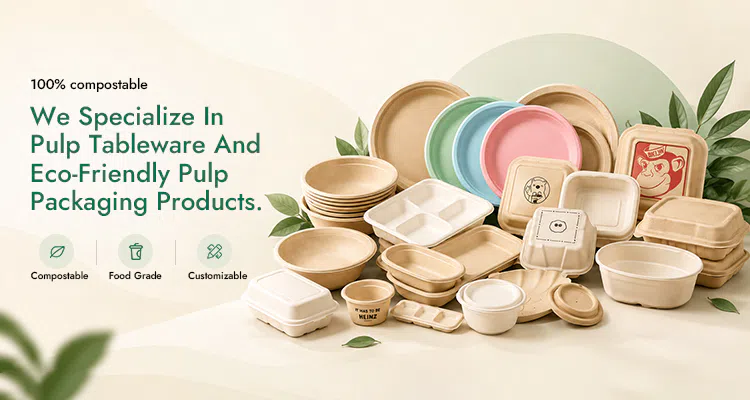
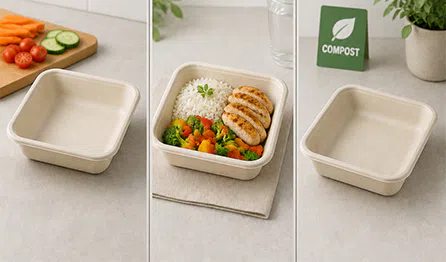
Against the global trend toward greener and lower-carbon development, plastic-reduction and plastic-restriction policies are being implemented and strengthened in markets around the world. As traditional single-use plastic packaging faces increasing regulatory pressure, environmentally responsible, safe, and biodegradable food packaging is becoming an important direction for the global packaging market.
Growing consumer awareness of sustainability, the adoption of sustainable development strategies by brands, and increasingly stringent plastic regulations in overseas markets are driving steady demand for compliant biodegradable food packaging. The food packaging industry is entering a new stage of green transformation, with restaurant chains, fresh food retailers, premium gift brands, and bakery companies accelerating the replacement of conventional plastic packaging and seeking safer, more sustainable, and high-performance alternatives. This shift is creating significant opportunities for the development of next-generation biodegradable packaging solutions.
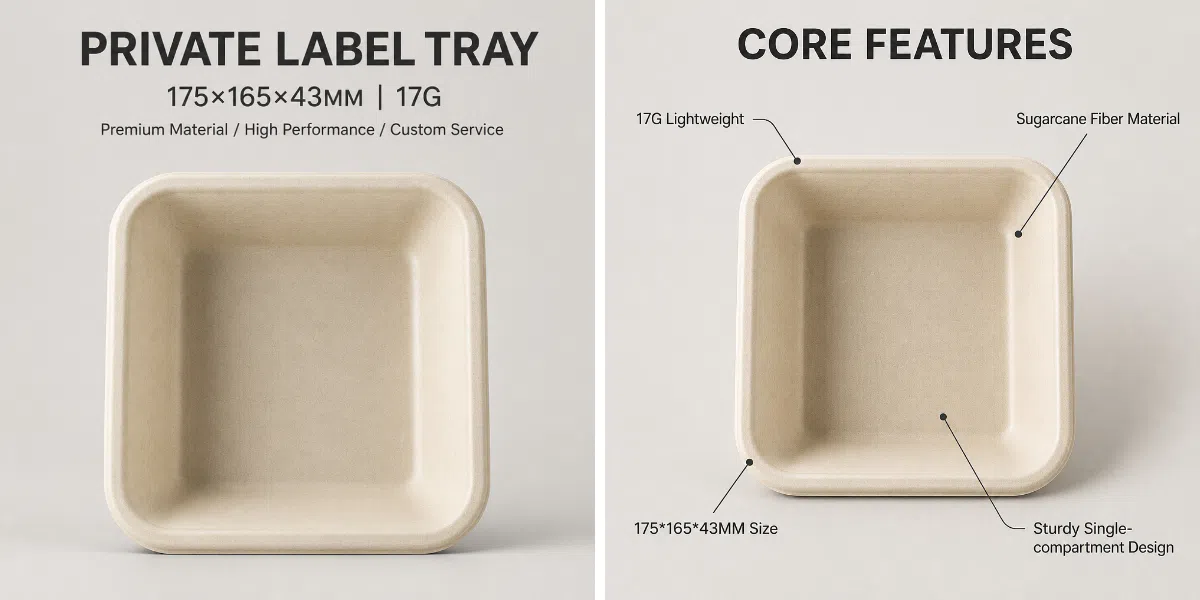
For years, conventional unlaminated molded pulp packaging has been a popular alternative to plastic. However, as commercial applications have become more diversified and demanding, its limitations have become increasingly apparent, making it difficult to meet higher-end and more standardized market requirements.
Conventional molded pulp packaging is made from a porous fiber structure and generally has limited resistance to water and oil. When used for hot soups, oily foods, fresh produce, sauces, and other moisture-rich applications, it may experience leakage, food sticking to the container, softening, or deformation. These issues can significantly affect the user experience.
To improve grease resistance, some conventional molded pulp manufacturers have historically relied on fluorinated grease-resistant additives. However, PFAS (per- and polyfluoroalkyl substances) have raised concerns regarding persistence and are increasingly subject to regulatory restrictions for food-contact packaging. Europe, the United States, Southeast Asia, and other markets have introduced or strengthened measures governing PFAS and fluorinated additives in packaging. This regulatory shift has created new challenges for conventional molded pulp products and increased the need for upgraded alternatives.
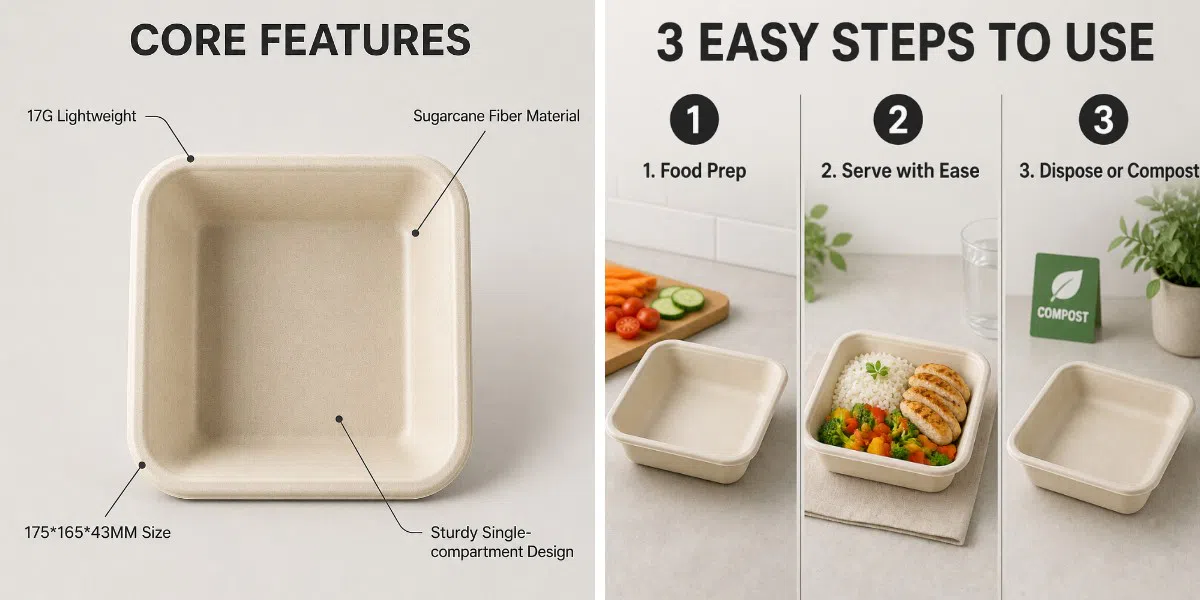
Against this industry backdrop, laminated molded pulp packaging has emerged as a promising sustainable packaging solution, offering a different approach to performance and compliance.
Using a food-grade film thermal lamination process, laminated molded pulp packaging can achieve water, oil, and leakage resistance through the physical barrier provided by the film, without relying on PFAS-based fluorinated grease-resistant additives. This structure helps address common problems associated with conventional molded pulp packaging, including leakage, food sticking, softening, and deformation.
At the same time, the core materials can retain important environmental benefits. The molded pulp substrate can be made from natural plant fibers such as sugarcane bagasse and bamboo pulp, while PLA film can provide a renewable, compostable barrier layer where appropriate. Under suitable industrial composting conditions and applicable certification requirements, these materials can biodegrade into natural substances, supporting the global shift toward plastic reduction and lower-carbon packaging. This combination allows manufacturers to balance packaging performance with sustainability objectives.
With advantages in safety, compliance, performance, and end-of-life options, laminated molded pulp packaging is being adopted across a growing range of commercial applications, including foodservice and takeaway packaging, ready-to-eat and prepared food packaging, fresh produce trays, bakery and dessert packaging, premium gift box inserts, and catering tableware.
As the market develops, overseas buyers are also changing their procurement priorities. Instead of focusing solely on unit price, professional packaging buyers increasingly consider food-contact compliance, relevant certifications, product consistency, and long-term supply capacity when selecting suppliers. Certifications and testing related to industrial compostability, such as OK compost and BPI, together with food-contact safety testing, can play an important role in meeting the requirements of target markets in Europe, North America, Australia, and Southeast Asia, depending on the specific application and regulatory framework.
Compared with conventional packaging solutions, laminated molded pulp products supported by appropriate compliance documentation can help overseas customers address import requirements and reduce potential compliance risks. As global plastic-reduction initiatives continue to advance, these products are gaining attention as an alternative category for sustainable packaging procurement.
The development of the biodegradable packaging industry is also moving beyond an early stage focused primarily on replacing plastic. The market is increasingly emphasizing performance, product consistency, manufacturing quality, and regulatory compliance.
For manufacturers, this means continued investment in process development and production technology. Key areas include improving film-to-pulp bonding, finished-product quality control, water and oil resistance, structural rigidity, surface smoothness, and overall appearance. At the same time, manufacturers need to carefully balance product performance, manufacturing costs, and environmental requirements to develop packaging solutions that offer practical performance and strong market adaptability.
Looking ahead, as environmental regulations continue to evolve and demand for sustainable packaging expands, PLA-laminated molded pulp packaging is expected to attract growing attention across global food and consumer packaging markets. With the combination of functional performance, regulatory considerations, and sustainability benefits, it is positioned to play an increasingly important role in the transition toward more responsible packaging solutions.